Best Time to Visit Hua Hin
Month-by-month weather, crowds, prices and festivals — the honest answer from someone who lives here, not a recycled climate table.
Quick Answer
The best time to visit Hua Hin is November through February, when temperatures sit at a comfortable 25–30°C, rainfall is minimal, and the sea is calm. December and January are peak season with the highest prices. For fewer crowds and lower rates, consider the shoulder months of March and October.
Hua Hin doesn’t have one best time to visit — it has several, depending on what you want. The golfer wants dry fairways. The family wants calm seas and warm pool days. The budget traveller wants low-season rates. The wellness visitor wants cool mornings for yoga. All of these exist here, just at different points in the year.
I live here year-round. I’ve watched the town swell in December and empty in June. I’ve seen October downpours and February perfection. What follows is the honest version — no recycled climate tables, no generic “November to February” answer without context.
This guide covers the best time to visit Hua Hin by month, season, and traveller type — with real temperatures, rainfall patterns, price swings, and the Thai holidays that can make or break your trip.
1. Best Time to Visit Hua Hin — The Short Answer
If you’re booking a trip and just want the answer: go between November and February.
This is the cool, dry season. Daytime temperatures sit in the comfortable 25–30°C range. Rain is rare. The Gulf of Thailand is calm. And every attraction in and around Hua Hin is at its easiest — no muddy trails at Khao Sam Roi Yot, no choppy boat rides, no washed-out beach days.
The trade-off is crowds and price. December and January are the peak — Bangkok families, European snowbirds, and Chinese New Year visitors all converge at once. Hotel rates roughly double compared to monsoon season.
If you want the weather without the crowds, aim for late November or early March. Both sit just outside the peak window, with similar conditions and noticeably better availability.
Bottom line
Best overall: November to February. Best value: April to May, or September to October. Best for families: December to February, or July to August (school holidays). Best for golfers: November to March.
2. Hua Hin’s Climate at a Glance
Hua Hin has a tropical savanna climate with three broadly distinct seasons. Crucially — and this surprises a lot of first-time visitors — Hua Hin’s rainy season is significantly milder than Phuket, Samui, or Krabi. The town sits on the Gulf of Thailand’s sheltered western shore, and the southwest monsoon that hammers the Andaman coast doesn’t hit here with the same force.
| Season | Months | Temp Range | Rainfall | Verdict |
|---|---|---|---|---|
| Cool & Dry | Nov – Feb | 22–30°C | Very low | Best weather, highest prices |
| Hot | Mar – May | 26–35°C | Low, occasional storms | Hot but manageable, good value |
| Monsoon | Jun – Oct | 25–32°C | Moderate, afternoon showers | Milder than other Thai coasts, lowest prices |
For the full month-by-month weather data — temperature averages, rainfall charts, and humidity — see our dedicated Hua Hin Weather & Best Time page. This post focuses on the practical decision: when should you actually book?
3. Month-by-Month Guide to Visiting Hua Hin
Every month has a character. Here’s what each one actually feels like on the ground.
January
Weather: Near-perfect. 23–30°C, minimal rain, calm seas.
Crowds: Peak. The busiest month of the year.
Prices: Highest. Book 2–3 months ahead.
Verdict: Ideal weather, but expect full hotels and busy restaurants.
February
Weather: Similar to January, slightly warmer towards month-end.
Crowds: Still high, especially around Chinese New Year.
Prices: High but beginning to ease.
Verdict: Excellent month if you can dodge Chinese New Year week.
March
Weather: Warmer (25–33°C), rain still rare, sea still calm.
Crowds: Thinning out. Good availability.
Prices: Dropping. One of the best value-to-weather months.
Verdict: Sweet spot. Warm but not brutal, quiet but not empty.
April
Weather: Hot (28–35°C). Occasional pre-monsoon storms.
Crowds: Spikes dramatically for Songkran (Thai New Year).
Prices: Songkran week sees hotel rates surge.
Verdict: Great for culture, less ideal for quiet relaxation.
May
Weather: Hot and humid (27–34°C). Rain begins mid-month.
Crowds: Quiet. Fewer international tourists.
Prices: Low. Excellent value.
Verdict: Good month if you don’t mind heat and occasional showers.
June
Weather: Monsoon begins. Afternoon showers, 26–32°C.
Crowds: Very quiet.
Prices: Low.
Verdict: Underrated month. Rain usually comes and goes quickly.
July
Weather: Proper monsoon. Showers most days, 26–32°C.
Crowds: European families on summer holidays.
Prices: Moderate. Mid-range hotels busy.
Verdict: Good for families who want school-holiday timing without top prices.
August
Weather: Similar to July. Consistent afternoon rain.
Crowds: Still moderate from summer holidays.
Prices: Moderate.
Verdict: Fine for those who plan around the rain — mornings are usually clear.
September
Weather: Wettest month. Rainfall peaks, 25–31°C.
Crowds: Very quiet.
Prices: Lowest of the year.
Verdict: Best value if you’re flexible and don’t mind rain days.
October
Weather: Transitional. Rain starts easing mid-month.
Crowds: Still quiet.
Prices: Low, rising slowly late-month.
Verdict: Late October is a hidden gem — good weather before the peak rush.
November
Weather: Cool season arrives. 24–31°C, rain ends.
Crowds: Building through the month.
Prices: Rising but still reasonable.
Verdict: One of the best months. Early November is ideal.
December
Weather: Peak cool season. 22–29°C, dry, calm seas.
Crowds: Heaviest of the year, especially Christmas–New Year.
Prices: Highest of the year, especially Dec 20 – Jan 5.
Verdict: Perfect weather, but book months ahead if you’re set on Christmas.
4. Peak Season vs Low Season — Hotels, Prices, and Crowds
Hua Hin’s tourism calendar is more compressed than people expect. The weather is good for most of the year — which means the true “peak” is really just a few weeks, and the rest of the year offers excellent value.
Peak Season (mid-December to mid-February, plus Songkran week in April)
- Hotel rates up 100–200% versus monsoon season
- Restaurants and attractions noticeably busy
- Best spas, top golf courses, and popular tours fill 3–7 days ahead
- Airfare from Bangkok and international hubs at its highest
Shoulder Seasons (March, November, early December, October)
- Weather nearly as good as peak, prices 20–40% lower
- Easy last-minute availability, except around holidays
- Best overall value-for-quality window
Low Season (June to September)
- Hotel rates 40–60% below peak
- Rain usually comes in short afternoon bursts, not all-day downpours
- Mornings and evenings are typically clear
- Quietest experience — sometimes too quiet for those who want a lively scene
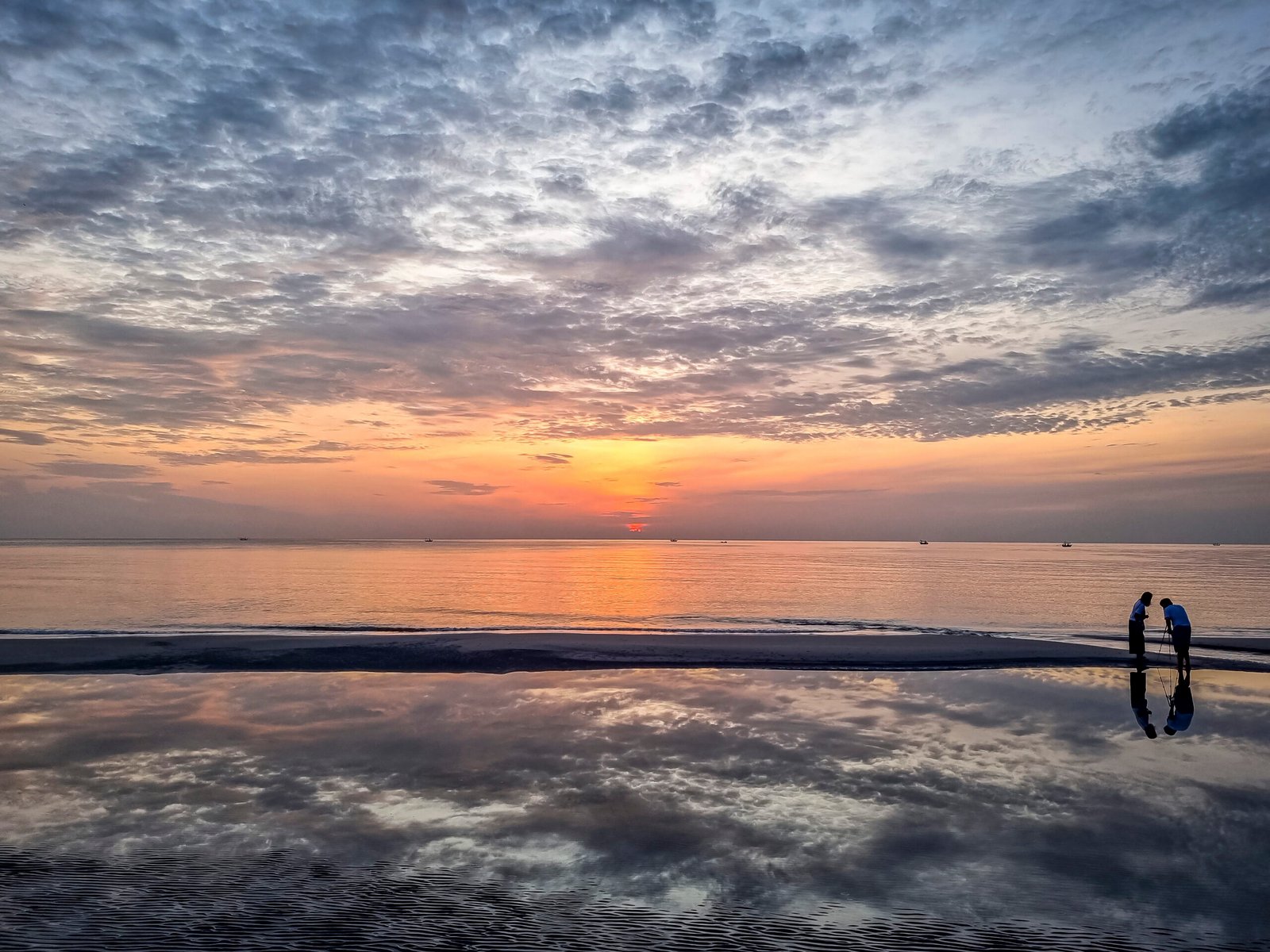
Sunset over Hua Hin Beach. The Gulf side faces east, so mornings are calmest and sunsets land over the town.
5. Festivals & Events Worth Planning Around
Thailand’s festival calendar has a huge effect on Hua Hin hotel prices, transport availability, and overall atmosphere. If one of these falls during your trip, plan accordingly.
Songkran (mid-April, usually April 13–15)
Thai New Year. The whole country celebrates with water fights, and Hua Hin is no exception — the town centre turns into one big water battle for three days. It’s joyful but intense. Hotels book out weeks in advance. If you want the experience, come for it. If you don’t, avoid mid-April entirely.
Hua Hin Jazz Festival (usually June)
A long-running festival that brings Thai and international jazz acts to stages along the beach. Modest crowds, low prices, pleasant atmosphere.
Hua Hin Food Festival (usually held in various months)
Rotating pop-up food festivals celebrating Thai regional cuisine. Check local listings during your visit — dates vary year to year.
Loi Krathong (November)
One of the most photogenic Thai festivals. Small decorated floats (krathong) are floated on water to honour the goddess of water. In Hua Hin, celebrations take place on the beach and along the canal.
King Bhumibol’s Birthday / Father’s Day (December 5)
A national holiday. Expect parades, fireworks, and candle-lighting ceremonies. Hotels fill fast because it merges with the broader December peak.
Christmas and New Year
The single busiest week of the year in Hua Hin. Rates at five-star resorts can triple. Book 3–6 months in advance if you have a specific hotel in mind.
6. Best Time to Visit Hua Hin for Families
If you’re travelling with children, the calculation changes. You want calm seas for swimming, warm pool days, and attractions that don’t involve scrambling up wet cave trails.
December to February
The obvious pick. Calm seas, dry days, pool weather that’s warm but not scorching. The downside is crowds — Vana Nava water park, Hutsadin Elephant Foundation, and the beaches all get busy. Book everything in advance.
July to August
Aligned with European and Thai school holidays. Weather is monsoon season, but rain typically falls in short afternoon bursts — mornings and evenings are usually clear. Prices are moderate, availability is decent, and the water park queue is shorter than in December.
March
An underrated month for families. Weather is warm and dry, seas are still calm, and the crowds have thinned out. Kids who can handle 32–33°C will love it.
Family tip
Regardless of month, plan outdoor activities for mornings and late afternoons. Midday sun is intense year-round — use it for pool time, water parks, or an air-conditioned lunch.
7. Best Time to Visit Hua Hin for Couples
Couples generally want three things: good weather, quiet boutique hotels, and the freedom to book a spa treatment or romantic dinner without a week’s notice.
November and early December
The cool season arrives, but the peak crowds haven’t yet. Boutique resorts like Putahracsa and Cape Nidhra still have availability, and spa bookings are easy. This is arguably the best window of the year for couples.
Late January to February
Weather is still excellent, and post-New-Year rates are lower than December. Perfect for a Valentine’s trip or a quiet anniversary escape.
June and September
For couples who want true quiet and don’t mind an occasional afternoon shower. Rates are at their lowest, resorts are peaceful, and the town feels like your own. Ideal for a workation or a slow travel couple.
8. Best Time to Visit Hua Hin for Golfers
Hua Hin is one of Asia’s premier golf destinations, and — crucially — it can be played comfortably for most of the year. But the conditions vary enough that timing matters.
November to March — Peak Golf Season
The best combination of dry fairways, cooler mornings, and consistent conditions. Black Mountain, Pineapple Valley (Banyan), and Springfield Royal are all at their best. Book tee times at least 3–5 days ahead during December and January.
April and May — Hot but Playable
Early morning tee times (6:30–8:00am) are essential. By 10am the heat becomes genuinely draining. Green fees drop 20–30% versus peak, and courses are less crowded.
June to October — Monsoon Golf
Hua Hin’s monsoon is milder than other Thai coasts. Morning rounds are usually dry and comfortable. Course maintenance schedules sometimes affect play — check ahead. Green fees are at their lowest, making this the best value window for budget-conscious golfers.
Golfer tip
Regardless of month, book early-morning tee times. They’re cooler, quieter, and courses are in their best condition of the day.
9. Best Time to Visit Hua Hin on a Budget
If cost matters more than perfect weather, Hua Hin’s low season is genuinely excellent — especially compared to other Thai beach destinations.
September and October — The Cheapest Months
Hotel rates are at their lowest, flights are cheap, and tours rarely sell out. Rain usually arrives in short bursts. You can still get beach days, spa treatments, and day trips — just be flexible with timing.
May and June
The transition into monsoon season. Rates drop sharply from April, but the weather hasn’t fully turned. Good balance of value and conditions.
What You Sacrifice in Low Season
- Some beach days will be rained out — plan 1–2 indoor alternatives per trip
- Boat trips and island tours can be cancelled if seas are rough
- Some restaurants and smaller businesses close during the quietest weeks
- You’ll have more of the town to yourself — which many travellers actively prefer
10. What Should You Pack for Hua Hin?
Hua Hin is casual, warm, and beach-oriented. The packing list is short, but a few items make a real difference depending on the season.
Year-Round Essentials
- Lightweight, breathable clothing (cotton and linen)
- Swimwear (two sets — it won’t dry overnight in humidity)
- Sunscreen (SPF 50+, reef-safe)
- Insect repellent (mosquitoes are present year-round, worse in monsoon)
- Light rain jacket or compact umbrella (June–October especially)
- Comfortable walking shoes and flip-flops
- Modest clothing for temple visits (shoulders and knees covered)
Cool Season (November–February)
- Light layer for evenings — nights can drop to 22°C
- Light long-sleeve shirt for early morning activities
Hot Season (March–May)
- Wide-brimmed hat and sunglasses
- Electrolyte sachets — dehydration is a real risk
- After-sun cream
Monsoon (June–October)
- Quick-dry clothing
- Waterproof phone pouch
- Extra pair of shoes — one set will get wet
- Dry bag for day trips
11. Common Mistakes When Choosing When to Visit Hua Hin
Assuming Monsoon Means Washout
Hua Hin’s rainy season is not Phuket’s. It’s milder, shorter, and rarely all-day. People who avoid June–October entirely miss some of the best value and quietest weeks of the year.
Booking Flights Before Checking Thai Holidays
Songkran, Chinese New Year, and the King’s Birthday all spike hotel prices and fill transport. If your dates overlap one of these and you didn’t plan for it, expect to pay double or stay somewhere you wouldn’t otherwise choose.
Underestimating December Demand
The two weeks around Christmas and New Year are booked solid 3–6 months ahead. If you want a specific resort, book early or accept what’s left.
Ignoring the Shoulder Months
March, November, and early December offer nearly the same weather as peak season at a fraction of the cost and crowd. Most travellers overlook them.
Packing for One Season
Hua Hin is warm year-round, but 22°C mornings in January feel very different from 35°C afternoons in April. Pack layers, not just beachwear.
Key Takeaways
- The best time to visit Hua Hin is November through February — cool, dry, calm seas, and the most reliable weather of the year.
- December and January are peak season with the highest prices; book 2–3 months ahead for a specific hotel.
- March and November are the underrated shoulder months — nearly peak weather with much lower prices and fewer crowds.
- Hua Hin’s monsoon (June–October) is milder than Thailand’s other coasts; mornings are usually dry and rates drop 40–60%.
- Songkran in April and Christmas/New Year in December spike prices — plan around them or embrace the atmosphere.
- Best month by traveller type: families in December–February, couples in November, golfers in December–March, budget travellers in September–October.
Frequently Asked Questions
What is the best time to visit Hua Hin?
What is the rainiest month in Hua Hin?
Is Hua Hin worth visiting in July?
When is peak season in Hua Hin?
What is Hua Hin weather like in November?
What is Hua Hin weather like in September?
Is Hua Hin hot all year round?
When is the cheapest time to visit Hua Hin?
What is the best month to visit Hua Hin for golf?
What should I pack for Hua Hin?
Airport transfers and popular day tours sell out quickly from December to February — reserve before you fly.
Ready to Book Your Hua Hin Stay?
Compare prices across every hotel tier — luxury beachfront resorts, boutique hideaways, and budget-friendly options in the town centre.
Thinking About a Longer Stay?
If a holiday is becoming something more — a season, a move, or a full relocation — my concierge service offers fixed-fee, commission-free guidance from someone who lives here. Visa strategy, schools, housing, and settling in, all handled personally.
See the Move to Hua Hin Guide →